
A few years ago, my mornings were a mess.
I’d either skip breakfast completely or grab something quick that looked healthy but left me hungry an hour later. Most days it was sugary cereal, toast with too much butter, or one of those “healthy” packaged smoothies that tasted good but had more sugar than soda.
The breaking point came during a busy work week when I realized I was drinking coffee on an empty stomach almost every morning. By 11 AM, I’d feel tired, irritated, and ready to eat literally anything nearby.
That’s when I started experimenting with breakfast smoothies at home.
Not the fancy Instagram kind with dragon fruit and edible flowers. Just realistic smoothies I could make before work without turning my kitchen into a disaster.
Some recipes were terrible. One tasted like wet spinach. Another was so thick my blender nearly gave up. But after months of trial and error, I figured out what actually works: smoothies that taste good, keep you full, and don’t require expensive ingredients.
If you’ve been trying to eat healthier in the morning without spending forever cooking breakfast, this guide will help.
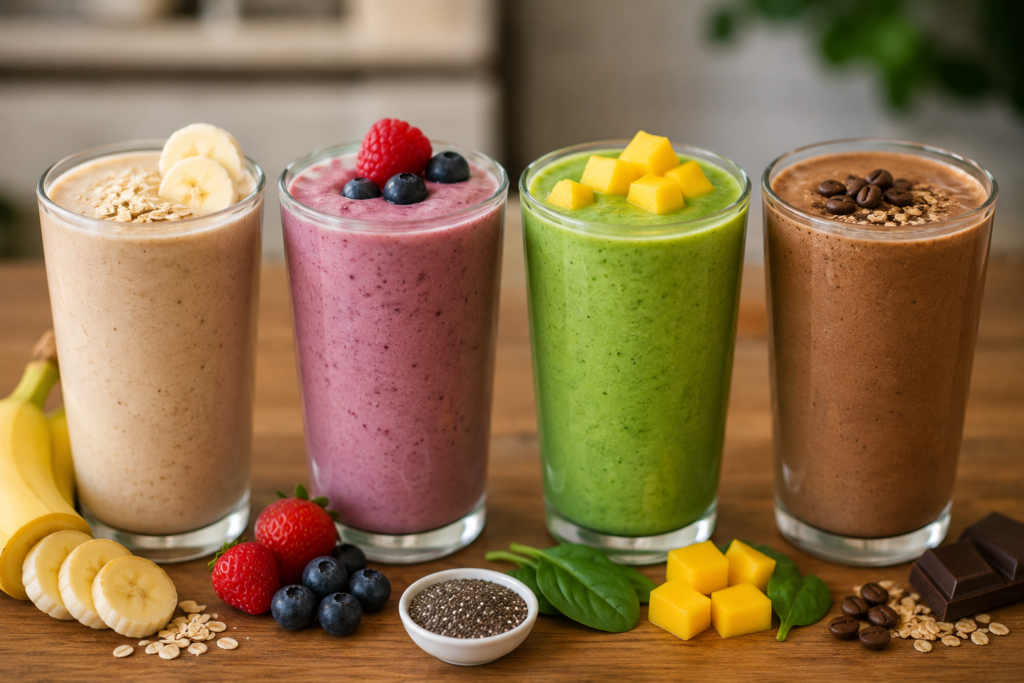
Why Breakfast Smoothies Work So Well
The biggest advantage of smoothies is convenience.
When I started making them regularly, I noticed I was skipping breakfast less often because there was almost no effort involved. Throw ingredients into a blender, press a button, pour into a cup, done.
But there’s another reason they work.
A good smoothie combines protein, fiber, healthy fats, and natural carbs in one meal. That combination helps avoid the blood sugar crash you get from sugary breakfasts.
The mistake most people make is turning smoothies into desserts.
If your smoothie contains flavored yogurt, fruit juice, ice cream, chocolate syrup, and sweetened protein powder, it’s basically a milkshake pretending to be healthy.
The goal is balance.
What I Learned After Making Smoothies for Months
At first, I thought smoothies needed complicated ingredients to be healthy.
I bought chia seeds, flax powder, almond butter, expensive protein mixes, frozen berries, and random “superfoods” I never used again.
Eventually I realized the best smoothies are usually the simplest ones.
Here’s the formula I now follow almost every morning:
- One fruit for flavor
- One protein source
- One healthy fat
- Something for fiber
- Liquid to blend everything
That’s it.
Once you understand this structure, you can make dozens of combinations without following strict recipes.
My Go-To Healthy Breakfast Smoothie Recipes
These are the smoothies I actually make regularly.
Not copied from a recipe site. These are the ones that survived real-life testing.
1. Banana Peanut Butter Smoothie
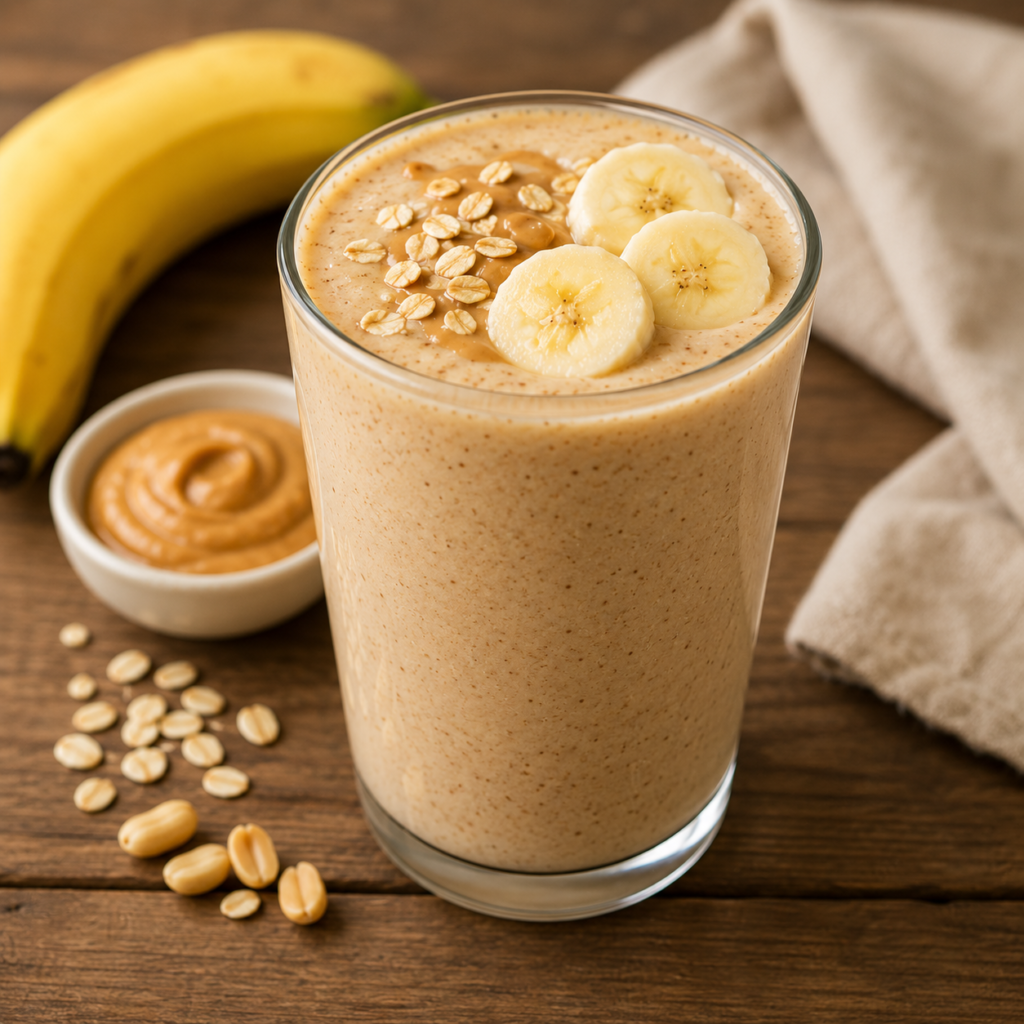
This is the smoothie that got me hooked.
It tastes good enough that you don’t feel like you’re forcing yourself to eat healthy food.
What You Need
- 1 banana
- 1 tablespoon peanut butter
- 1 cup milk or oat milk
- 1 tablespoon oats
- Ice cubes
- Optional: cinnamon
Why It Works
The oats and peanut butter make it filling. Without them, you’ll probably feel hungry again quickly.
One mistake I made early on was adding too much peanut butter. It sounds harmless, but suddenly your “healthy” smoothie becomes extremely heavy and calorie-dense.
One tablespoon is enough.
2. Berry Yogurt Smoothie
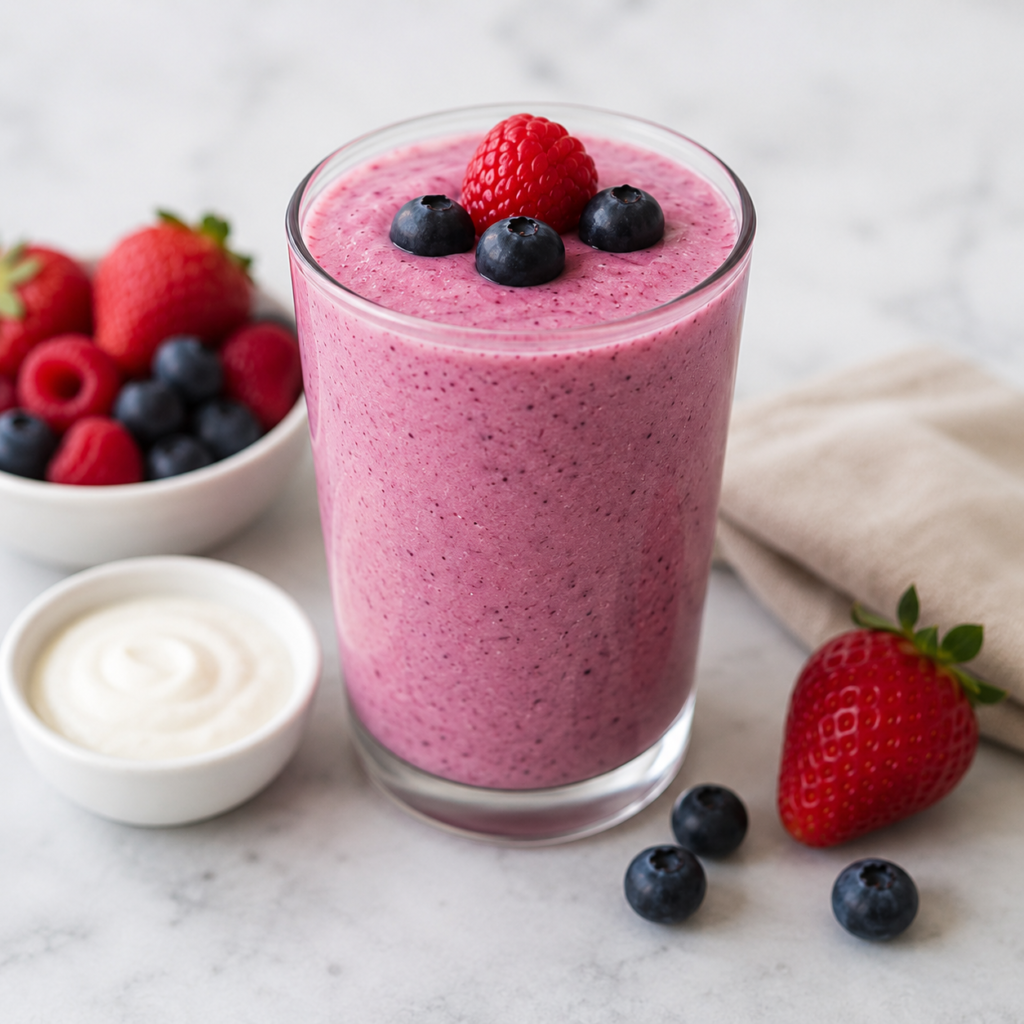
This became my summer favorite because frozen berries make the smoothie cold without watering it down.
Ingredients
- Frozen mixed berries
- Greek yogurt
- Milk
- Honey (optional)
- Chia seeds
Greek yogurt makes a huge difference.
Regular yogurt tastes fine, but Greek yogurt adds protein and keeps you fuller longer. I didn’t believe this mattered until I tested both versions during busy mornings.
The regular yogurt smoothie had me snacking before lunch.
The Greek yogurt version didn’t.
3. Green Smoothie That Doesn’t Taste Like Grass
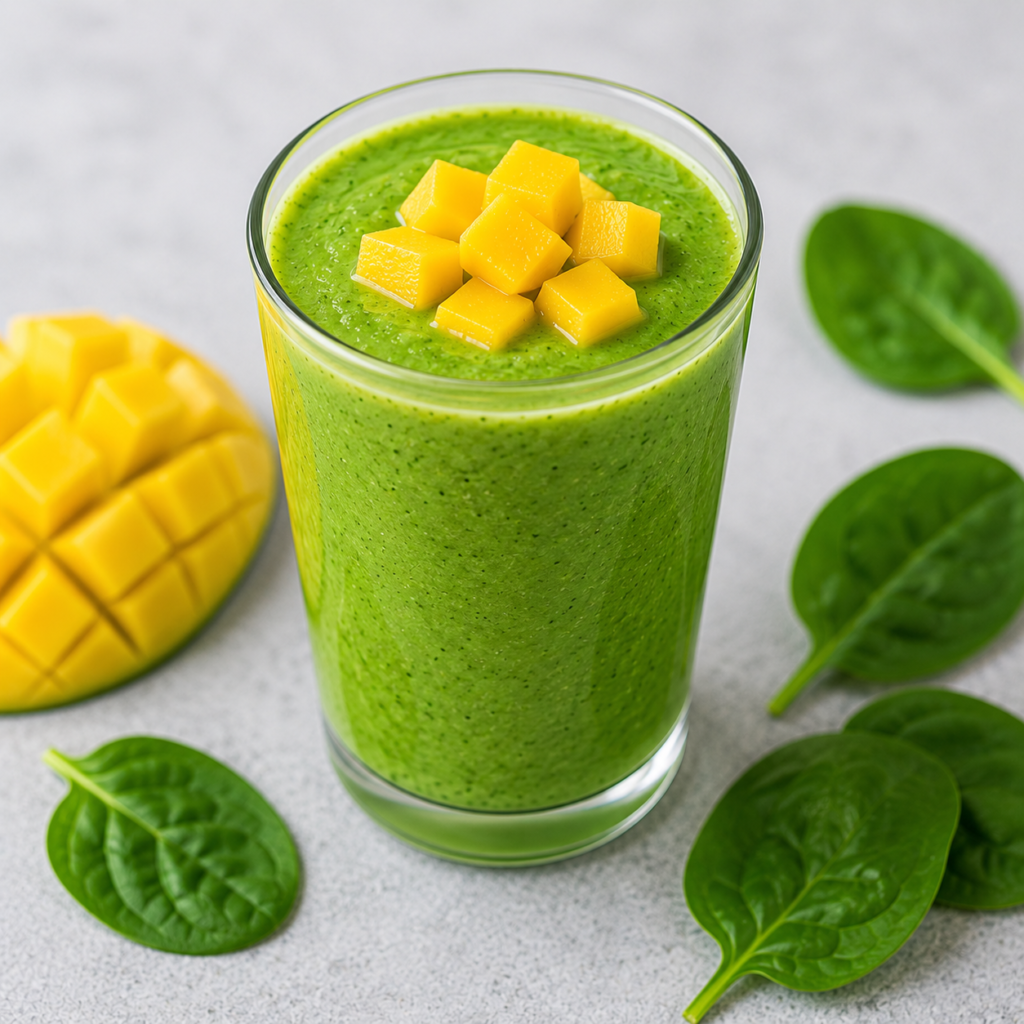
A lot of green smoothies fail because people add too much spinach or kale.
I made that mistake immediately.
My first green smoothie tasted like someone blended salad with water.
Here’s the better version.
Ingredients
- 1 banana
- Handful of spinach
- Mango chunks
- Coconut water
- Ice
The banana and mango naturally cover the spinach flavor without needing extra sugar.
If you’re new to green smoothies, start with a small amount of spinach. You can always increase it later.
4. Coffee Breakfast Smoothie
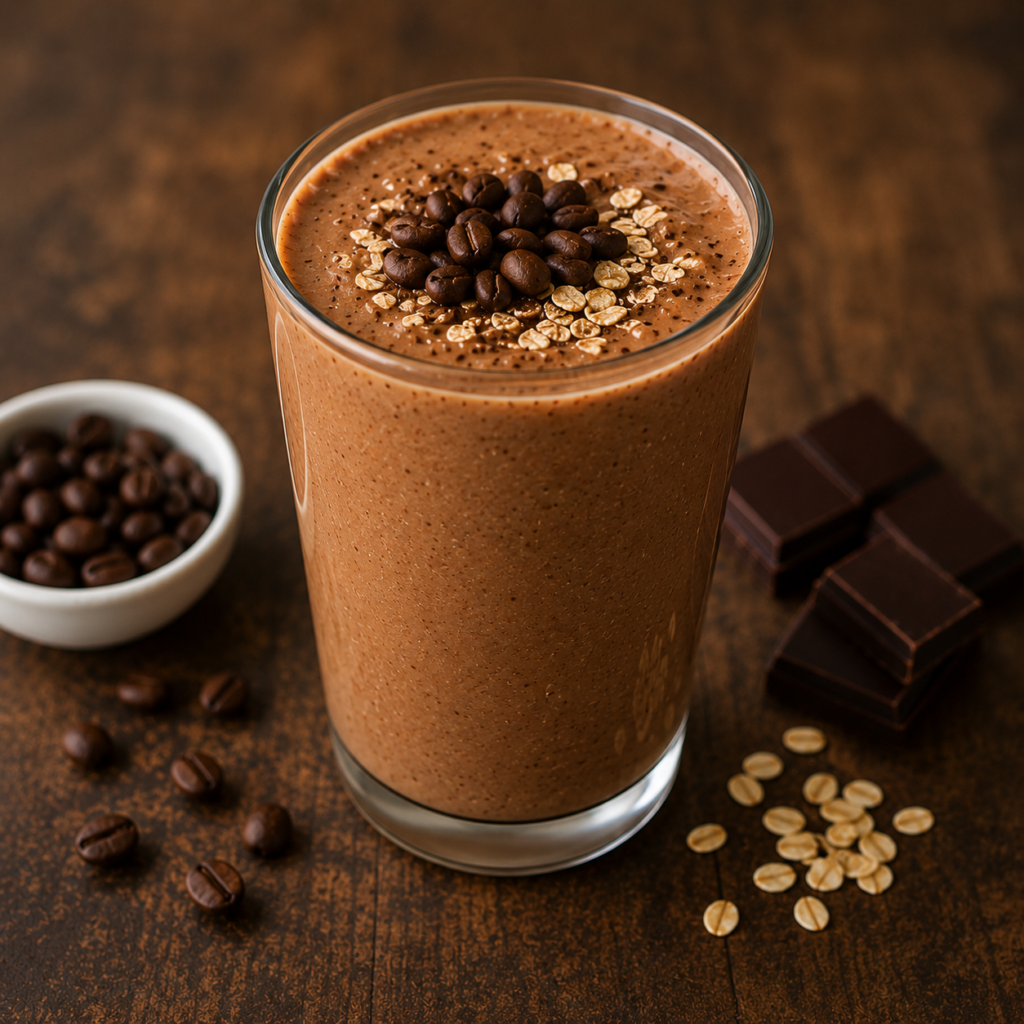
This one saved me during busy workdays.
I used to drink coffee separately and forget breakfast entirely. Combining both into one smoothie surprisingly worked well.
Ingredients
- Cold coffee
- Banana
- Oats
- Milk
- Cocoa powder
- Peanut butter
It tastes somewhere between iced coffee and a light chocolate shake.
I started making this after realizing I was spending too much money on coffee shop drinks that weren’t even filling.
Step-by-Step Tips for Better Smoothies
A lot of smoothie frustration comes from small mistakes.
These changes improved my smoothies immediately.
Freeze Your Bananas
This sounds simple, but it changes everything.
Fresh bananas work, but frozen bananas make smoothies thicker and creamier without needing ice cream or yogurt.
I now peel ripe bananas, cut them into pieces, and freeze them in containers.
Way cheaper than constantly buying frozen smoothie packs.
Add Liquid First
I learned this after nearly destroying my blender.
If you put frozen ingredients at the bottom, the blades struggle to move properly.
Now I always add:
- Liquid first
- Soft ingredients
- Frozen ingredients last
Much smoother blending.
Don’t Add Too Many Ingredients
This was my biggest beginner mistake.
I thought more healthy ingredients automatically meant a healthier smoothie.
So I’d add spinach, oats, flax seeds, protein powder, peanut butter, berries, yogurt, banana, and honey all at once.
The result usually tasted weird.
Stick to a few ingredients that complement each other.
Use a Decent Blender
You do not need an expensive professional blender.
But very cheap blenders struggle with frozen fruit and oats.
I used a basic personal blender for over a year before upgrading, and honestly, even that worked fine once I learned not to overload it.
If your smoothies always turn chunky, the blender may be the issue.
Popular options people genuinely use include:
- Ninja blenders
- NutriBullet
- Vitamix
Ingredients That Actually Help
There’s a lot of hype around smoothie ingredients online.
Some are useful. Some are mostly marketing.
Here are the ones I personally found worthwhile.
Oats
One of the cheapest and most effective smoothie add-ins.
They make smoothies more filling and improve texture.
I ignored oats for months because they sounded boring, but they genuinely help.
Greek Yogurt
Adds protein without weird aftertaste.
I tried multiple protein powders before realizing Greek yogurt was simpler and tasted better.
Chia Seeds
Helpful in small amounts.
Too much creates a strange gel texture that some people hate.
I learned that the hard way.
Frozen Fruit
More affordable than fresh fruit sometimes, especially berries.
Also reduces food waste because fruit doesn’t spoil quickly.
Common Smoothie Mistakes
Making Them Too Sweet
Fruit already contains natural sugar.
You usually don’t need extra syrup, sugar, or sweetened juice.
When I reduced sweetness, I actually started enjoying the natural fruit flavors more.
Forgetting Protein
This is why many smoothies don’t keep people full.
If your smoothie is only fruit and juice, it digests quickly.
Adding yogurt, oats, peanut butter, or protein powder helps balance it.
Drinking Huge Portions
This happened to me often.
Healthy smoothies can still become extremely calorie-heavy if portions get out of control.
Especially with ingredients like nut butter, honey, and granola.
Depending on Smoothies for Every Meal
I tried this briefly during a “healthy eating reset.”
Bad idea.
Smoothies are great breakfasts, but your body still benefits from chewing whole foods and eating balanced meals throughout the day.
Real-Life Smoothie Prep Tricks
The biggest challenge isn’t making smoothies once.
It’s making them consistently.
Here’s what helped me stick with the habit.
Pre-Pack Smoothie Bags
I started preparing freezer bags with:
- Banana slices
- Frozen berries
- Spinach
- Mango
In the morning, I just dump the bag into the blender and add liquid.
This saved a surprising amount of time.
Clean the Blender Immediately
If you wait, smoothie residue becomes annoying to clean.
I rinse the blender right after pouring the smoothie.
Takes 20 seconds instead of five minutes later.
Keep Ingredients Visible
Sounds silly, but it matters.
When healthy ingredients are hidden behind random leftovers in the fridge, you forget about them.
I started organizing smoothie ingredients together in one section.
Made the habit easier.
Are Breakfast Smoothies Actually Healthy?
They can be.
But “smoothie” doesn’t automatically mean healthy.
A homemade smoothie with balanced ingredients is completely different from a large store-bought smoothie packed with sugary syrups and sweetened juices.
The healthiest smoothies are usually:
- Moderate in sugar
- High in fiber
- Balanced with protein
- Made from real ingredients
You also don’t need trendy superfoods for a healthy breakfast.
Simple ingredients work perfectly fine.
Honestly, some of my best smoothies came from random combinations using whatever I already had at home.
Final Thoughts
What surprised me most about breakfast smoothies wasn’t the nutrition part.
It was how much easier mornings became.
When breakfast requires too much effort, most people skip it or choose convenience foods that don’t help much. Smoothies remove a lot of that friction.
You don’t need a perfect recipe.
You don’t need expensive powders or exotic ingredients.
Start simple.
Try banana, oats, peanut butter, and milk. Adjust from there based on what you enjoy and what keeps you full.
That’s what finally worked for me after plenty of failed smoothie experiments and one very unfortunate spinach disaster.